Specialists for the calls experts make.
Philotic models are built for one kind of judgment, and every result we publish is on held-out data. Each one is made yours: adapted to your people’s decisions, measured on your work before it goes live, and run wherever you choose.
Preview
Philotic Inspect
What’s wrong, where, and how bad.
Inspect reads a whole photo and returns a list of findings, each with its type and the part it’s on, for a person to confirm, correct or reject.
 Proven
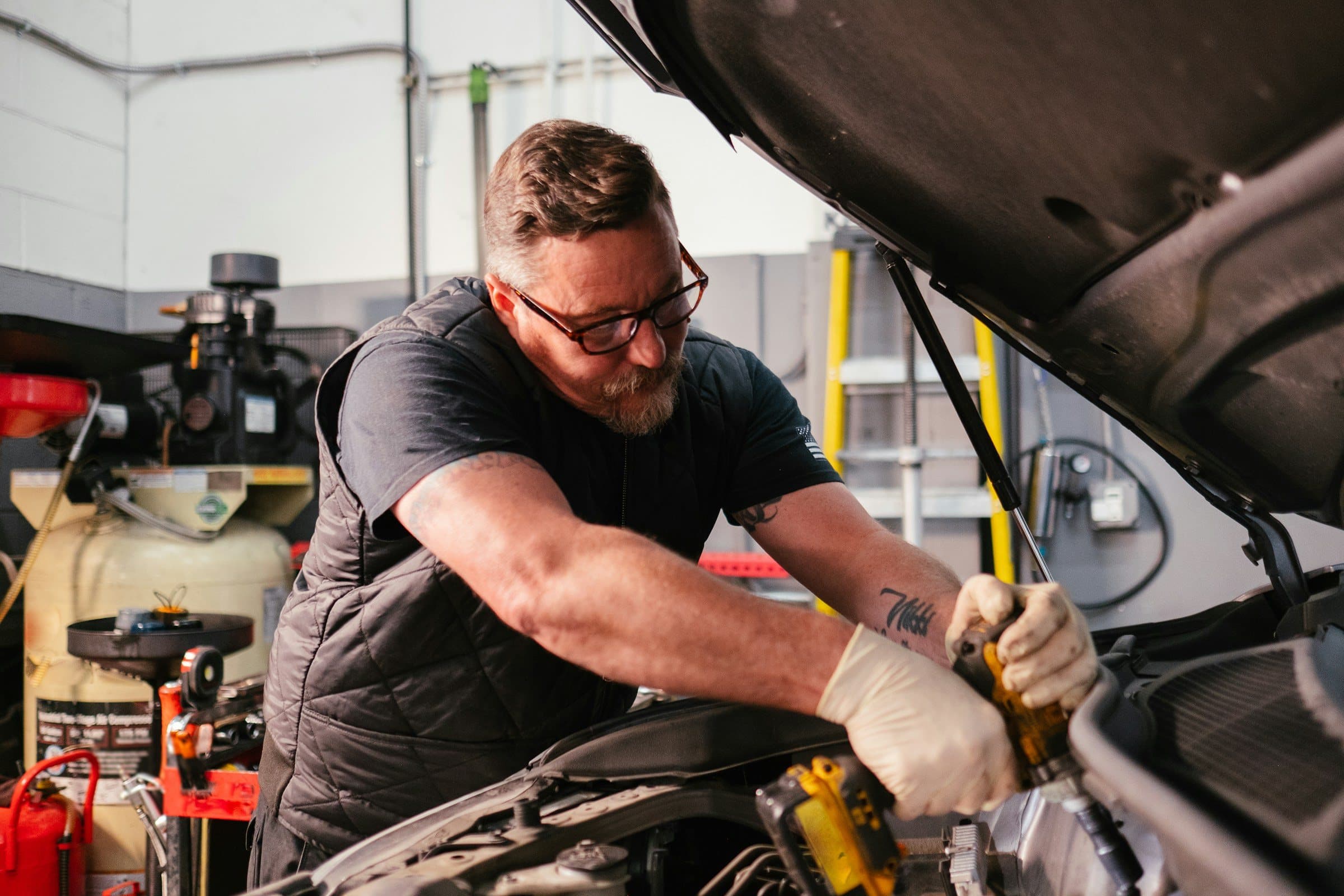
Vehicle damage
Claims photos

Fleet and rental check-in
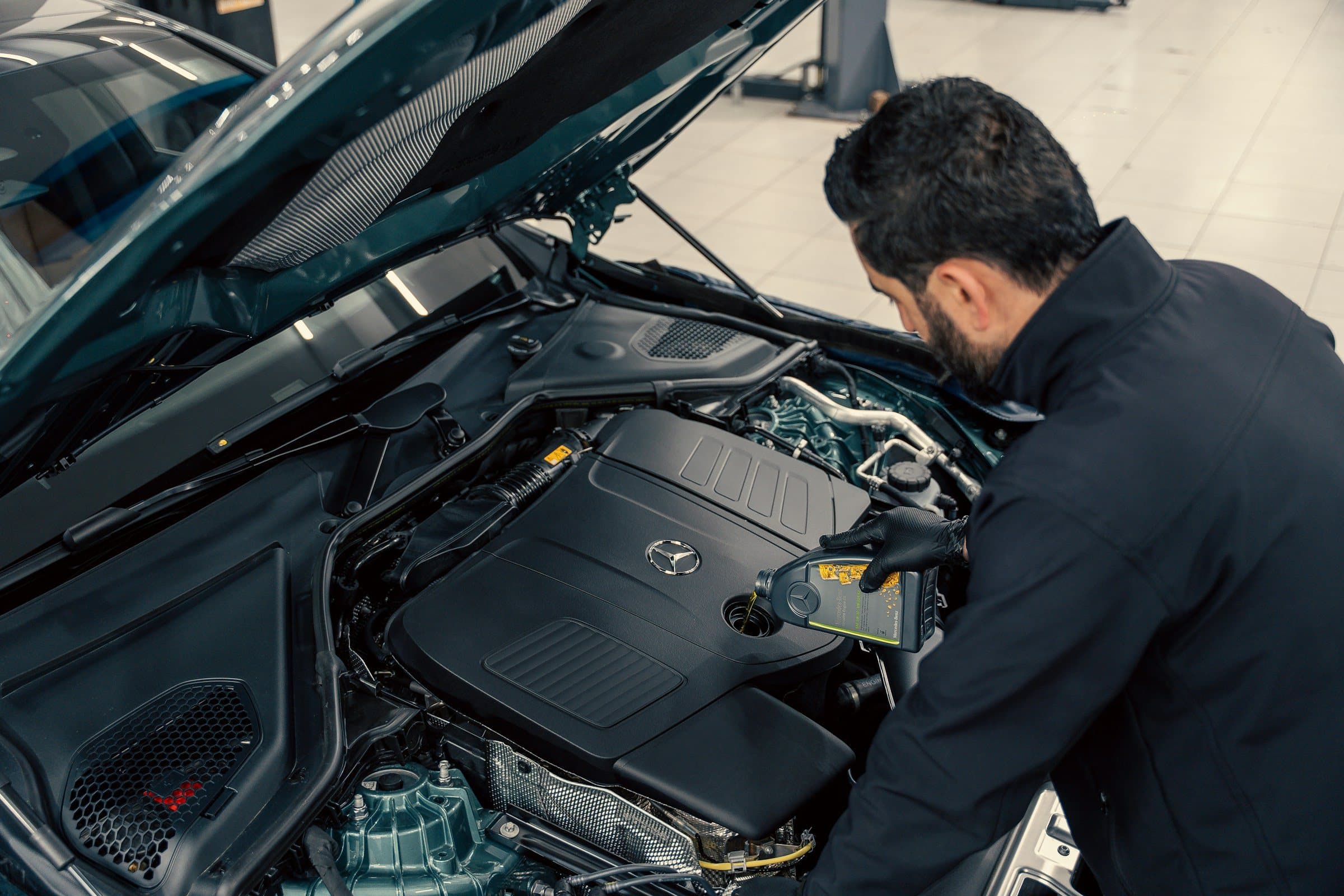
Incoming parts and line surfaces
Equipment returned from hire
Only vehicle damage is measured. Every other scene is a new domain: we’d adapt the model with your labels and show you its results on your own test set before anything goes live.
Proven on
Vehicle damage, on held-out public data. An 8-billion-parameter model. Not yet measured on customer data.
- damage put on the right part
- 82.0%damage put on the right part63.9% for Claude Sonnet 4.6 · 194 held-out areas
- damage type named correctly
- 75.6%damage type named correctly50.0% for Claude Sonnet 4.6 · 480 held-out areas
Grade
Research preview
How bad, on your scale. Given graded examples, Grade learns the scale they were graded on. On held-out public dents it called 57.1% of minor dents minor; Claude Sonnet 4.6 called 12.7% minor (63 dents).
Screen
Planned
Before the part exists: flags parts at risk from their geometry, learned from your engineers’ reviewed decisions.
In research
Philotic Motion
How a body moved, and whether it counts.
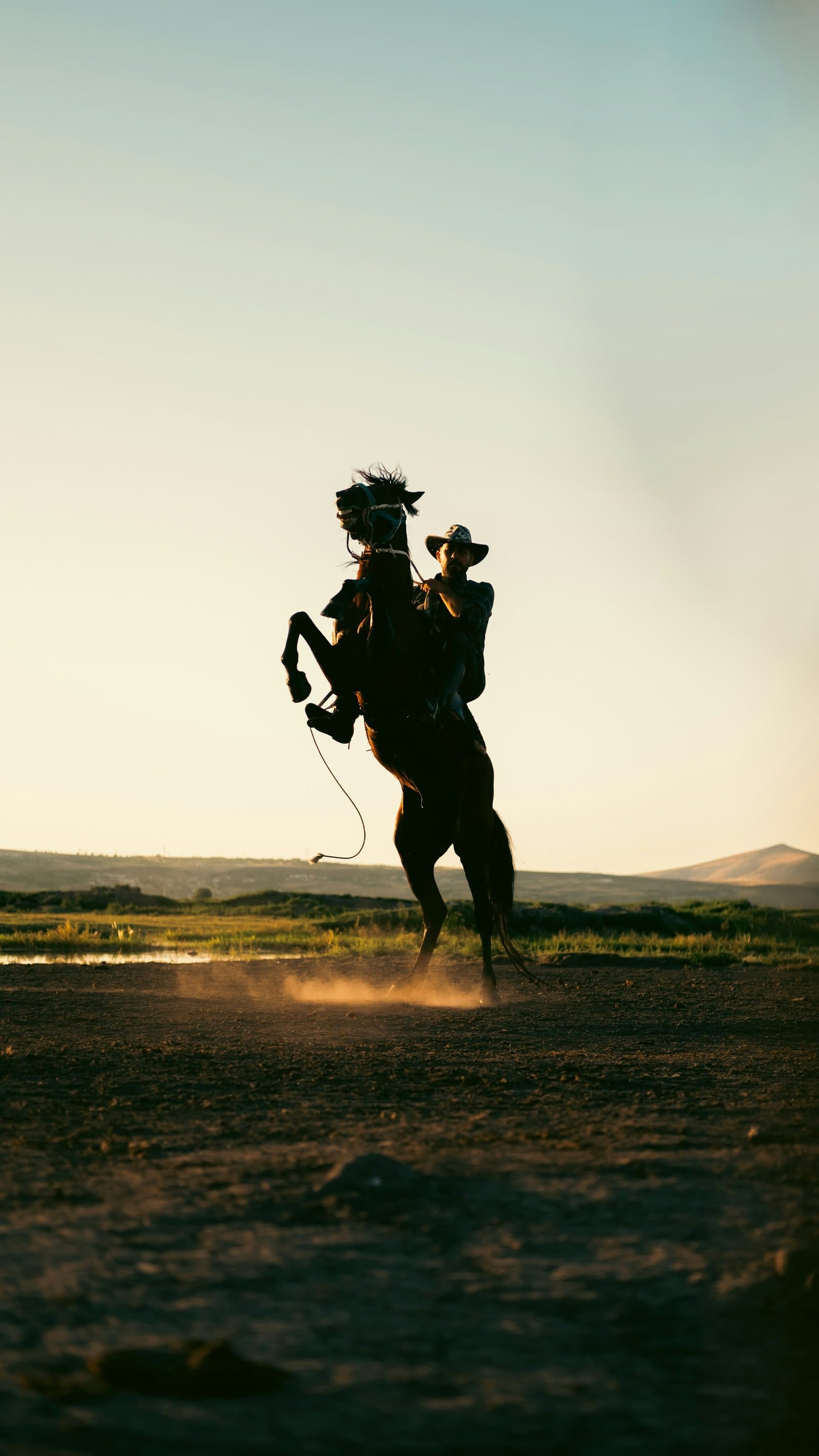
Motion reads a clip, decides whether it shows a scoreable event, and measures how the subject moved, with what each score rests on kept beside it.
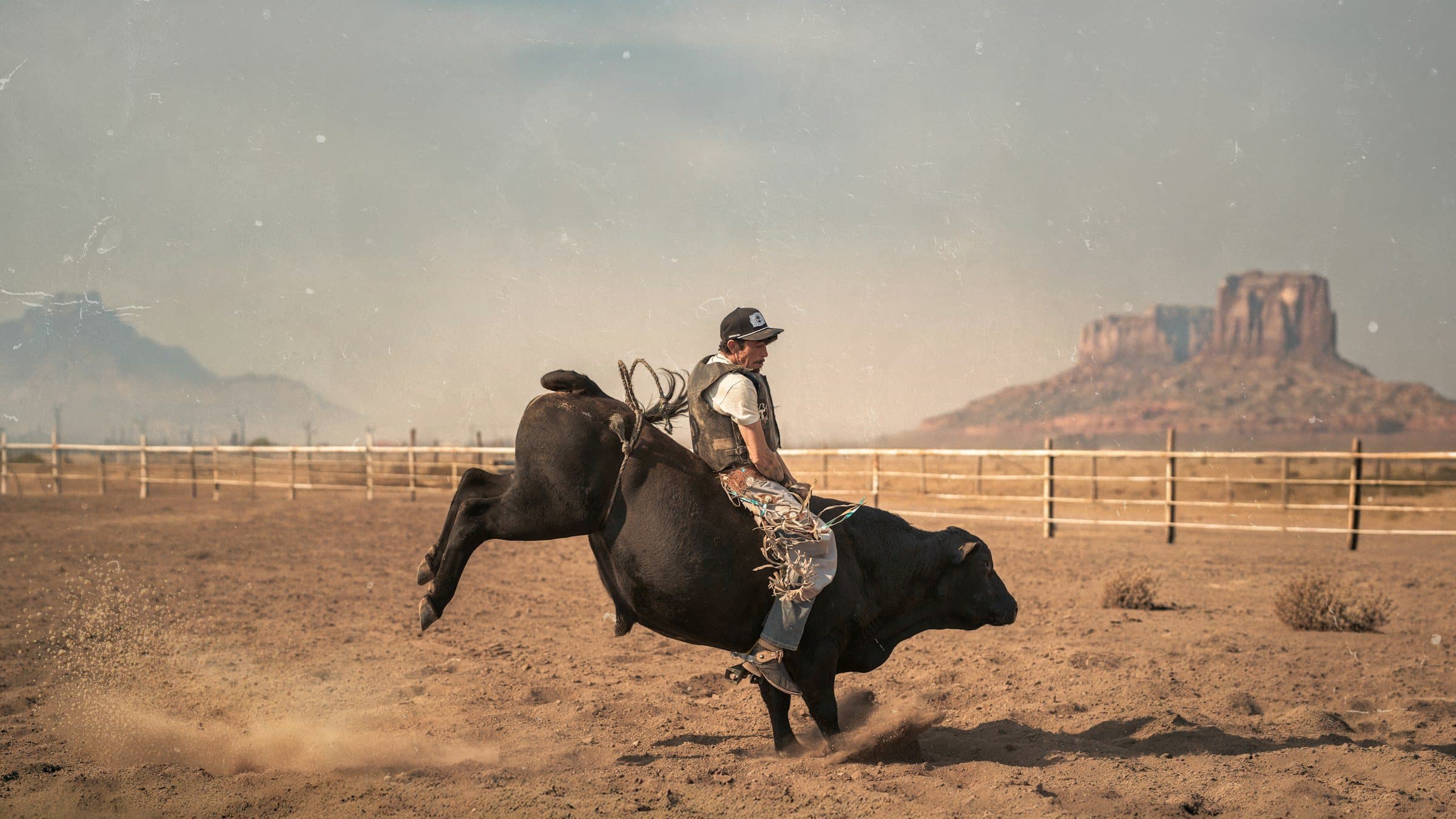
Judged sports
Reviewing technique
Recording demonstrations
Where the same call comes up. None is measured yet.
No benchmark yet, and not yet measured against an external standard. Part of its scoring calls third-party model APIs today, so it is not yet a customer build.
Pose
Finds a body’s key points frame by frame, so movement is measured instead of guessed.
Track
Keeps hold of the subject through motion blur and occlusion.
How a model becomes yours
Every Philotic model starts as a specialist and ends as yours. This is the work we do with each customer.
Name the call
Tell us a decision your people make every day.
Write the standard
We write the labeling guide with your experts and freeze a test set from your work.
See the numbers first
We test candidate foundations and our domain model on your test set, and show you the results.
Make it yours
We adapt it to your data. The layer trained on your data is a separate file, and you own it.
Turn it on at your bar
It stays off until it passes the accuracy bar you approve, then runs on our hosting, in your cloud or on your servers.
Keep teaching it
Every confirm, correction or rejection becomes a label for the next version.
What’s trained on your data is yours, and you can take it with you.
Ownership and termsWouldn’t a general model do this?
General models know a little about everything, but they never see your people’s decisions, so they can’t learn your scale or your conventions, and you don’t decide where they run. A Philotic model is tested on held-out examples of your call before it goes live, learns from the corrections your people make, and is small enough to run where your data lives. If a better open foundation appears, you keep your labels, test sets and data, and we retrain your layer on it.
Next: Records
The estimate, claim or report that follows an inspection. Reading the fields, with where on the page each one came from, and entering the checked record into your systems with a person approving each action.
Planned. No benchmark yet.
Research directions
Neither is a product today.
Learning from demonstration
Recording and measuring how skilled people do a task, so robots can learn the job from the people who do it.
Affect, for consented research
Measuring signs of emotional state for consented clinical and wellbeing research, and only there. Never for monitoring people at work or in school.
Every domain makes the next one stronger
A general model is trained once on what the web contains. A domain model keeps learning from work the web never sees, and four things compound as we add domains.
Expert labels
Tests that hold still
A layer per customer
One platform for every domain
The foundations they stand on
Vetted open-weight models with commercial licenses. You choose by license, origin or size; we test the candidates on your task first and share the results.
Qwen3-VL-8B
Foundation model
A compact vision-language model. The foundation for Philotic Inspect and Grade, and the strongest of the three we tuned on vehicle damage.
- Parameters
- 8B
- Tested by Philotic
- Damage type after tuning: 80.8% on 3,430 held-out areas
Ministral 3 14B
Foundation model
A mid-size vision-language model. It starts far behind on damage and finishes within about two points after the same tuning.
- Parameters
- 14B
- Tested by Philotic
- Damage type after tuning: 78.7% on 3,430 held-out areas
Tell us the call your people make.
Tell us what your people inspect, grade or decide every day. We’ll test candidate foundations on your task and show you the results before anything goes live.